
Understanding your skin type and condition is crucial for developing an effective skincare routine. Different skin types require unique care, and recognizing these differences helps ensure that your skin receives the treatment it needs to look and feel its best. Tailoring Korean skincare products to suit your specific skin type and condition can significantly enhance their effectiveness.
Understanding Skin Types
Skin types are generally categorized into five basic groups: normal, oily, dry, combination, and sensitive. Each type has distinct characteristics and requires different care strategies:
- Normal skin is well-balanced, neither too oily nor too dry, and has a regular texture and no significant imperfections. Normal skin benefits from a gentle cleanser and light moisturizer to maintain its balance.
- Oily skin is characterized by excess sebum production, leading to a shiny complexion and potential acne issues. A cleanser that works to remove excess oil without stripping the skin can help your skincare products be absorbed by your skin without adding another layer to existing oil.
- Dry skin can feel tight and rough and may display flaking or scaling. It is prone to irritation and can benefit greatly from regular daytime moisturization and a protective nighttime moisturizer to condition the skin overnight.
- Combination skin features a mix of oily and dry patches, typically with oiliness in the T-zone (forehead, nose, and chin) and dryness on the cheeks. Balance your skin with targeted treatment specific to the needs of the different areas. For all over help, use a toner to help normalize your skin’s pH levels.
- Sensitive skin reacts easily to stimuli with redness, itching, or rashes and requires gentle care to maintain balance. Look for products that can help soothe irritation and repair your skin’s natural barrier to avoid additional irritation.
What is Your Skin Type? Here's How to Tell and Take Care of it!
Common Skin Conditions
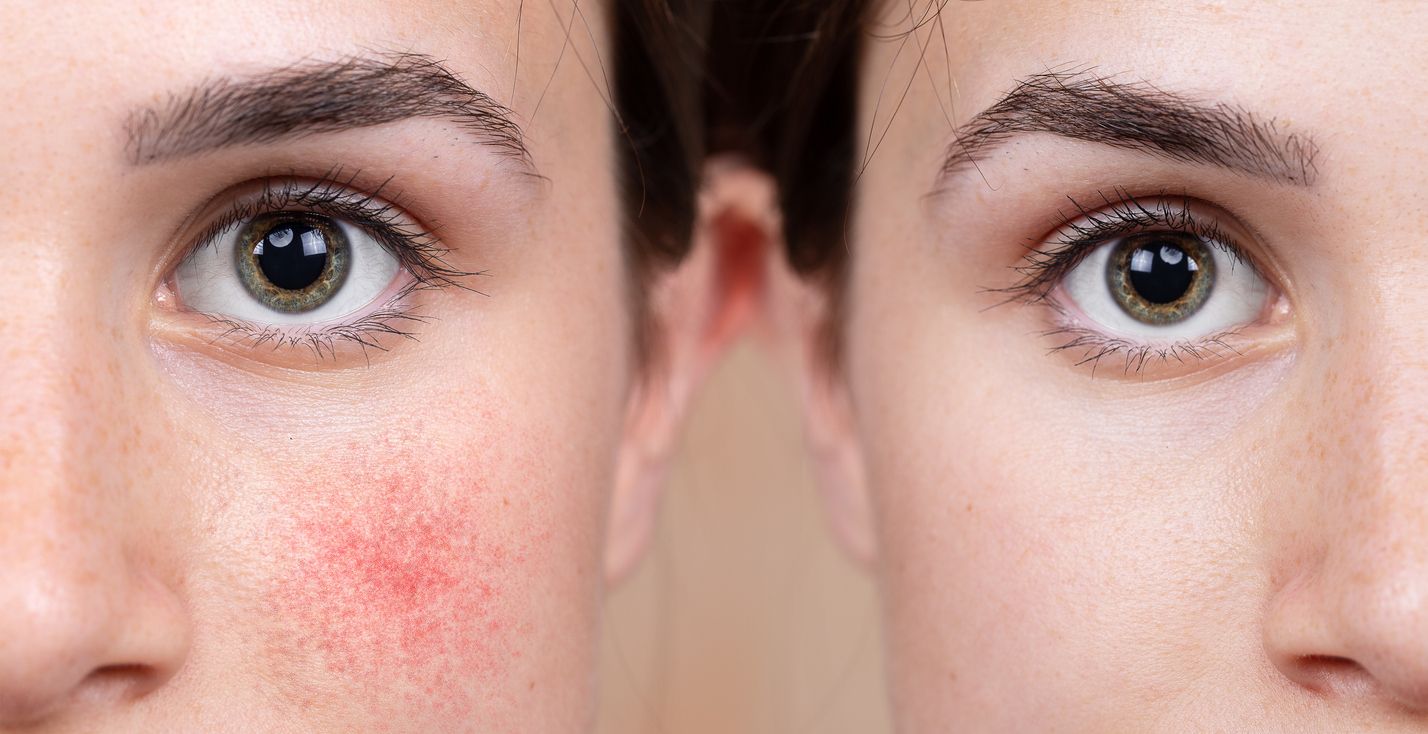
Common skin conditions that can affect any skin type include acne, eczema, rosacea, and hyperpigmentation. Acne is often seen in oily skin due to blocked pores, whereas eczema typically affects dry skin, leading to itchy, inflamed areas. Rosacea can cause redness and visible blood vessels, primarily affecting the face and can be exacerbated by certain skincare products. Hyperpigmentation, including age spots and melasma, involves darkened skin areas and can occur in any skin type.
Determining Your Skin Type and Condition
Identifying your skin type involves a few straightforward methods. One popular technique is the blotting sheet method, which can help determine the level of oiliness. By pressing a clean blotting paper on different areas of your face, you can see how much oil is present, which helps in identifying oily, dry, or combination skin types. Another method involves observing how your skin feels after cleansing; for instance, tightness might indicate dry skin, whereas a persistent shine could suggest an oily complexion.
A professional diagnosis can be appropriate for symptoms of persistent redness and irritated patches and complex issues like ongoing severe acne, hypersensitivity, or extensive hyperpigmentation.
Tailoring Your Skincare Routine
Understanding your skin type and condition is crucial when it comes to selecting the appropriate skincare products. Korean skincare follows a personalized approach that highlights the use of lightweight products that cater to specific concerns. For instance, those with dry skin should look for products that deeply moisturize the skin and contain ingredients like hyaluronic acid or glycerin. On the other hand, those with oily skin should use water-based formulations that help regulate sebum levels without clogging pores.
The order in which you apply skincare products can also have an impact on their effectiveness. To ensure that lighter and more aqueous products penetrate the skin effectively, it's recommended to apply them before thicker and creamier ones.
Reach Your Skin Goals by Getting to Know Your Skin
Knowing your skin type and condition isn't just about beauty; it's essential for maintaining healthy skin. By adjusting your skincare routine based on specific needs, you can significantly improve your skin’s health and appearance. For those dealing with more complex conditions, consulting with a dermatology professional can provide the guidance necessary to manage your skin health effectively. Always remember, the right care can make all the difference in achieving radiant, healthy skin.