


Key Takeaways
- Summer sun and chlorine strip the lipids that keep skin soft, leaving it dull and dehydrated.
- Start with barrier care, since ceramides and hyaluronic acid restore hydration before any actives go on.
- Vitamin C and glutathione fade dark spots, and gentle acids or a retinoid smooth rough texture.
- Daily broad-spectrum SPF 30 or higher protects your progress throughout fall.
Summer skin damage tends to catch up with you in September, right as the beach days wind down. We're breaking down post-summer skincare in four simple steps to get your glow back.
Why Post-Summer Skin Looks Dull
Think of your skin's surface like a window. Dehydration and dead-cell buildup cloud the glass, so even a healthy complexion looks tired. Pigment your skin made to shield itself from UV also surfaces as dark spots. Learning how to fix dull skin begins with giving back what summer took.
Nourish Your Barrier First
Repairing skin damage starts with your skin barrier (simply put, the outer layer of lipids that holds moisture in). Look for a rich moisturizer with ceramides, glycerin, squalane, or hyaluronic acid. Our Rescue Party Barrier Comfort Cream contains all four, plus colloidal oatmeal and soothing Korean heartleaf.
Pro tip: wait a week or two before adding stronger actives.
Fade Dark Spots with Brightening Ingredients
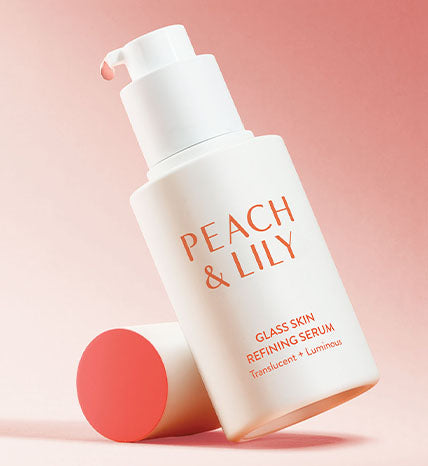
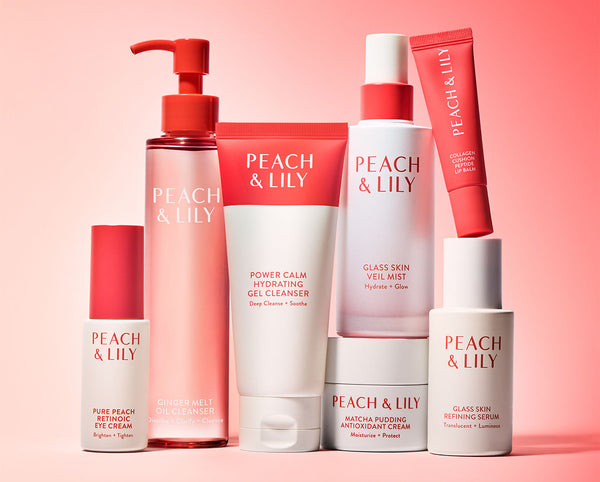
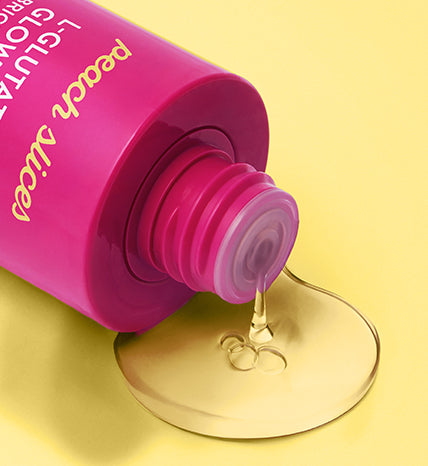
For fixing sun damage on the face, antioxidants help most. Vitamin C fades hyperpigmentation and defends against free radicals, so use it in the morning. Our L-Glutathione Glow On Brightening Toner pairs glutathione with vitamin C and licorice root, plus ceramides. Follow with our Glass Skin Refining Serum, where niacinamide brightens and hyaluronic acid plumps.
Gently Smooth Texture
Gritty scrubs can irritate skin that's still healing. A few times a week, try a mild chemical exfoliant like lactic acid or polyhydroxy acid (PHA) to dissolve dull cells. At night, a retinoid speeds cell turnover to smooth rough patches. For sensitive skin, try the Retinal For All Renewing Serum, formulated with encapsulated retinaldehyde and ectoin for sensitive skin.
Pro tip: start retinal once a week and keep acids and retinal on separate nights.
How to Repair Sun-Damaged Skin Year-Round
Knowing how to fix sun damage also means preventing more of it, so wear a broad-spectrum SPF 30 or higher every morning, even as the weather cools. Our Beam Blocker Invisible Sunscreen gives SPF 30 PA+++ protection with no white cast. Fixing sun-damaged skin takes patience, so check in with your dermatologist if deeper spots linger past a few months.