
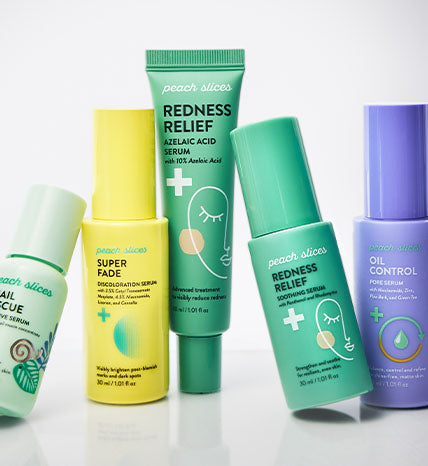

Probiotics have long been celebrated for their benefits to digestive health, but their role in skincare is gaining momentum. As an integral part of a holistic approach to health, probiotics in skincare are being recognized for their potential to improve skin health and appearance.
What Are Probiotics?
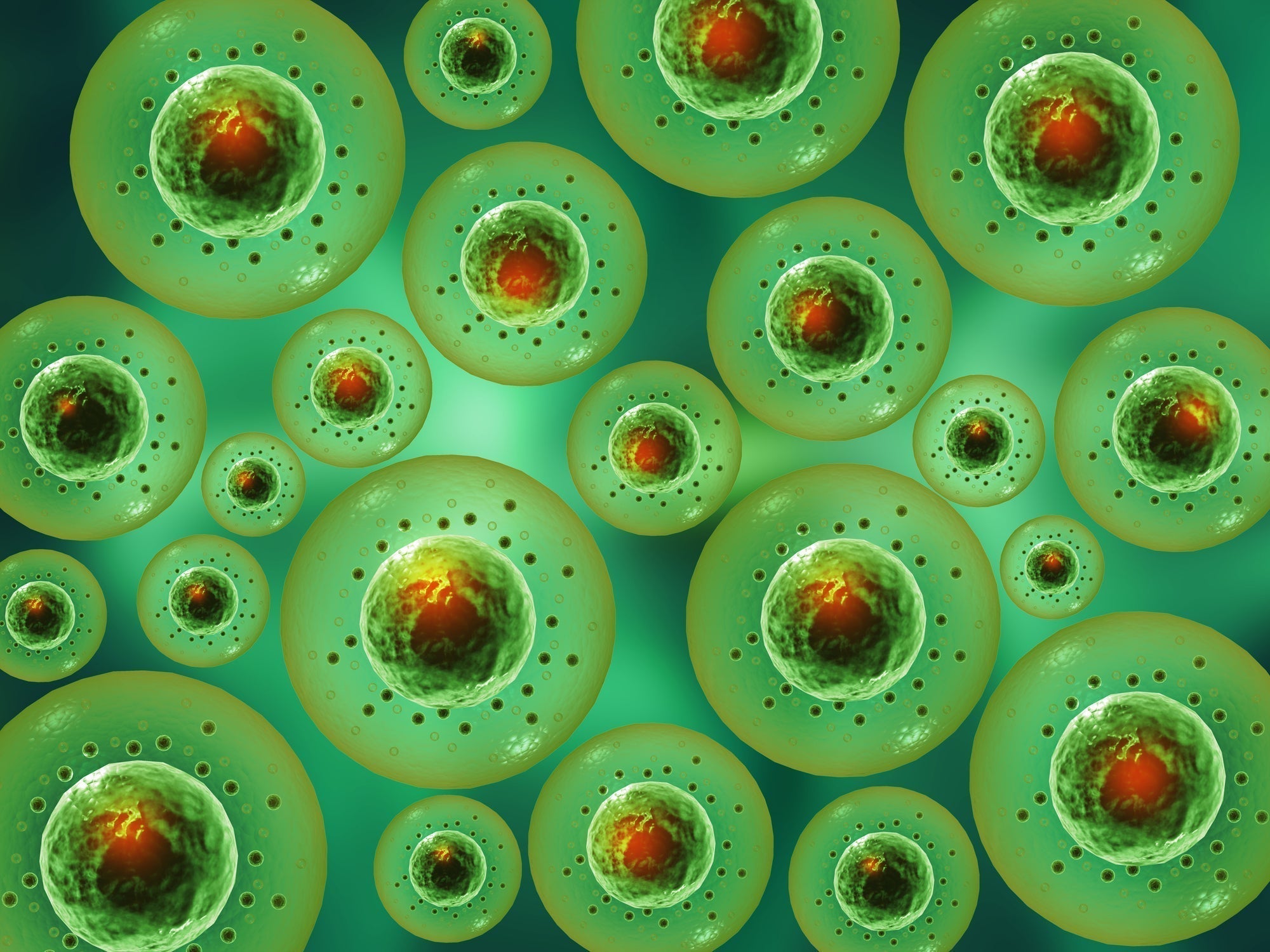
In the body, probiotics are live microorganisms that support the immune system, digestion, and even mental health. In skincare, probiotics work similarly by balancing the skin's microbiome—the ecosystem of microorganisms on the skin’s surface. This balance is crucial for skin health, acting much like an invisible shield against external aggressors.
Benefits of Probiotics in Skincare
Integrating probiotics in skincare can lead to numerous skin health benefits. One of the primary advantages is the enhancement of the skin's barrier function, which helps retain moisture and protect against irritants, pollution, and allergens. Probiotics also have anti-inflammatory properties, making them beneficial for conditions such as eczema and rosacea, as they help reduce redness and soothe irritation.
Additionally, probiotics can combat acne by inhibiting the growth of acne-causing bacteria and regulating the skin’s pH level. This microbial interference can prevent the clogged pores that often lead to breakouts. Moreover, because they help maintain a balanced skin environment, probiotics can also contribute to more resilient and less reactive skin.
Incorporating Probiotics into Your Skincare Routine
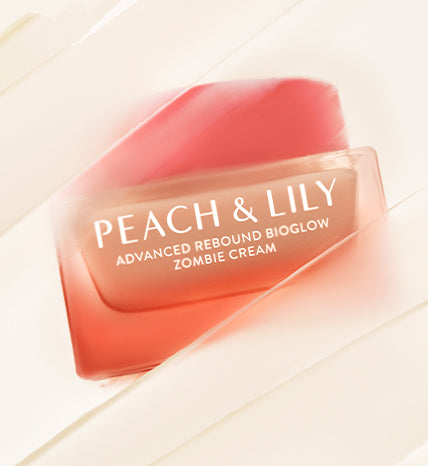
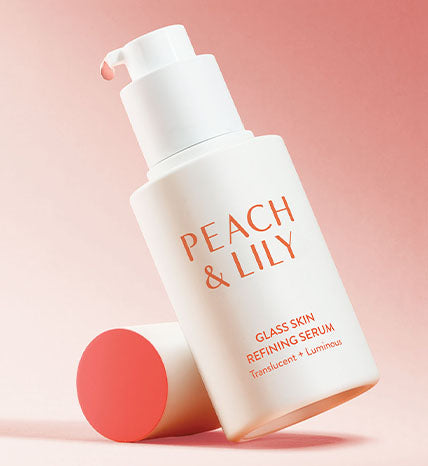
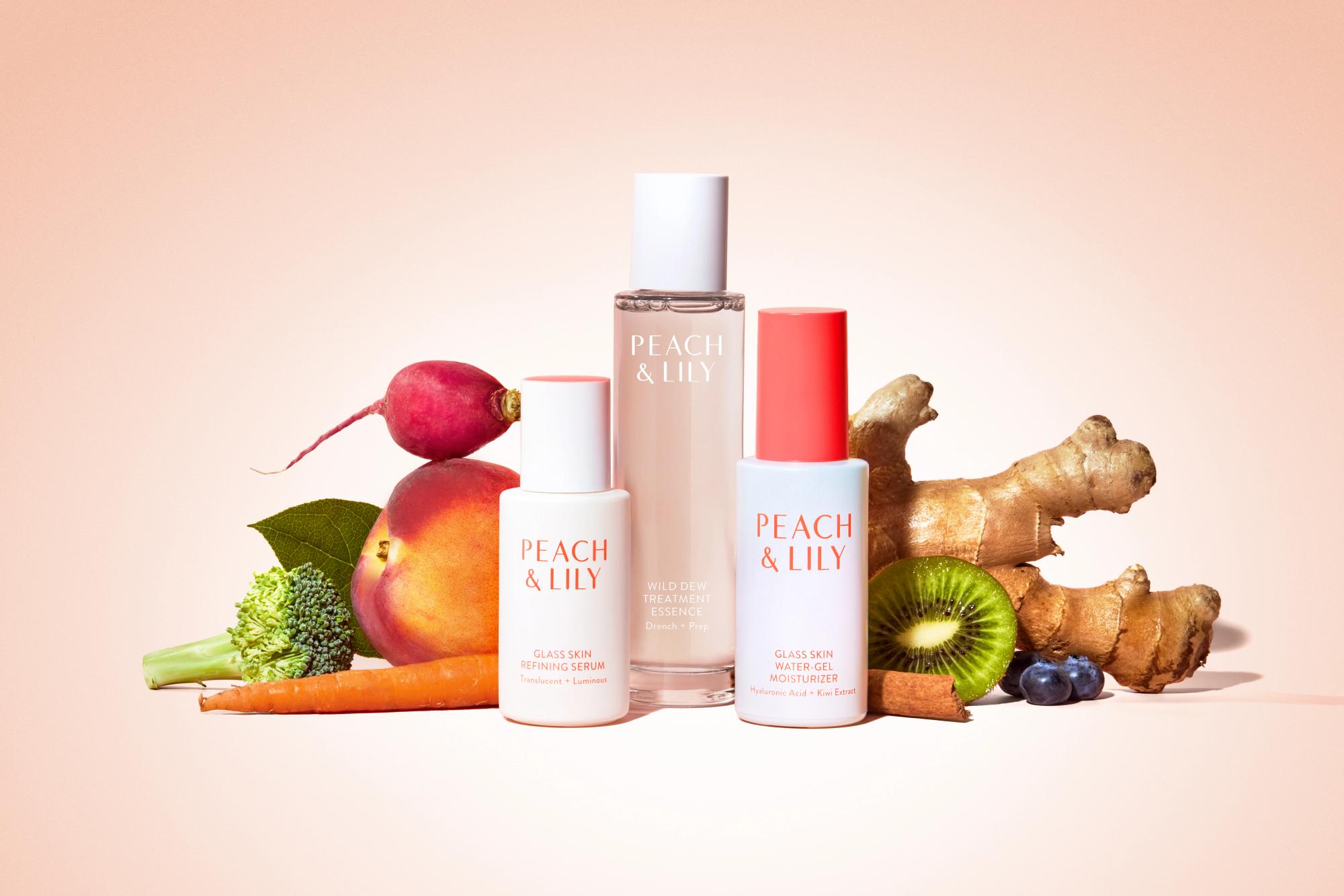
To incorporate probiotics into your skincare regimen, look for products that list probiotics, prebiotics, or postbiotics among their ingredients. These can include cleansers, serums, and moisturizers. Using probiotic-infused products can help maintain the natural balance of your skin's microbiome, enhancing both its health and its natural defenses.
Considerations and Tips
When introducing probiotics into your skincare, it's important to consider any potential sensitivities. As with any new skincare product, conducting a patch test before fully incorporating it into your routine can prevent adverse reactions. Start with a small amount on a limited area of your skin to ensure compatibility.
Unlocking a Healthier Complexion: The Power of Probiotics in Skincare
The integration of probiotics into skincare regimens represents a promising frontier in dermatology. With their ability to fortify the skin’s natural defenses, reduce inflammatory responses, and enhance overall skin health, probiotics offer a valuable addition to any skincare routine. If you’re looking to elevate your skincare approach, consider exploring the range of probiotic products. Embrace these beneficial bacteria as part of your Korean skincare practices to help maintain a vibrant, healthy complexion.