
Snail mucin has an image problem. The name alone evokes images of something better left in the garden than on one's face. But in Korea, Japan, and France, snail secretion has been a staple skincare ingredient for years, and once you get past the name, it's easy to see why people keep coming back to it. The research and the results say this is more than a passing K-beauty trend.
What is Snail Mucin, and Where Does it Come From?
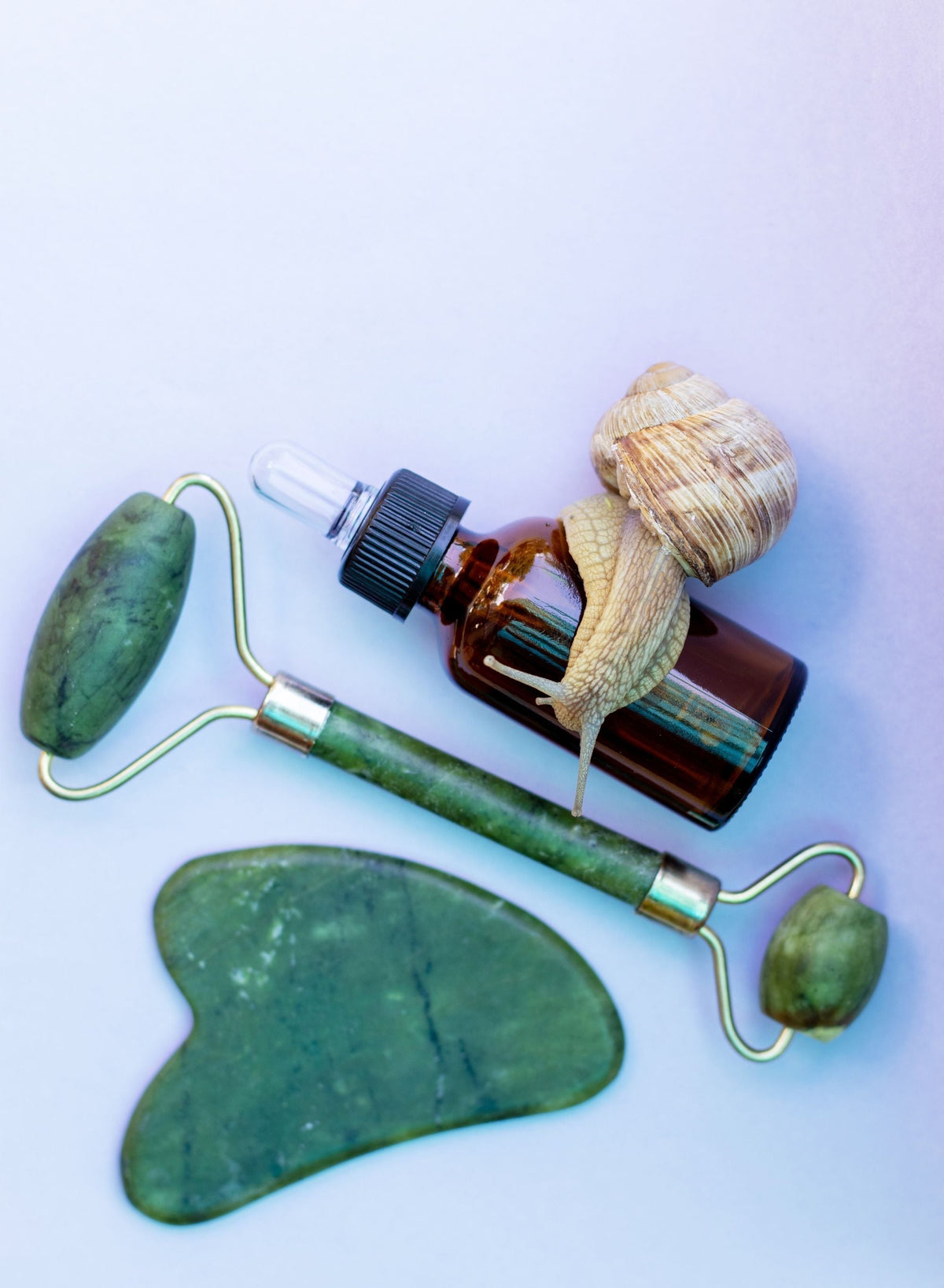
Snail mucin refers to the substance snails produce as a lubricant, adhesive, and protective coating. Snails secrete it naturally to move, to heal their own shells, and to protect themselves from environmental stress.
The version that ends up in skincare products is called snail secretion filtrate, or SSF. It comes from snails raised in controlled, cultured environments, and the secretion goes through a sterilization and purification process before it's cosmetic-grade. What you're putting on your skin isn't raw snail slime. It's a processed, safety-tested extract.
The Science Behind the Hype
Scientists in Spain and the United States traced the source of snail mucin's reputation back to the land snail Cryptomphalus aspersa. Its secretion protects the snail from UV radiation, pollution, and free radical damage, and it does this by triggering the same repair process the snail uses to heal its own shell. That regenerative process is what shows up in skincare products made from the filtrate.
The Skin Benefits of Snail Secretion Filtrate
Snail secretion filtrate hydrates from the inside out. Compounds in snail mucin trigger hyaluronic acid production in the skin. More hyaluronic acid means more water retention, which is one of the skin benefits people notice right away when using snail secretion filtrate, since products tend to leave skin feeling plump instead of just slick on the surface.
It supports collagen and elastin production.
The mucin is naturally rich in both. People who use it consistently tend to see firmer, more resilient skin within a few weeks, with texture and elasticity improving the most over time.
It calms acne and fades blemishes.
Snail mucin has anti-inflammatory and antibacterial properties, which makes it useful for soothing active breakouts. Its wound-healing effects go back further than modern skincare, too. Historical accounts describe Hippocrates advising patients to apply crushed snails to wounds to speed healing. Today's version works on a similar principle, minus the crushed shells: it helps rearrange damaged tissue during the healing process, which can reduce redness and the appearance of scarring.
Between the hydration, the firmness, and the calming effect on breakouts, these are the core benefits of snail mucin that keep it in so many Korean skincare routines.
Is Snail Mucin Worth Adding to Your Routine?
Ingredients come and go in skincare, but snail mucin has had staying power for a reason. It's one of the few ingredients that hydrates, firms, and calms irritation all at once, which is a hard combination to find in a single product. The range of benefits snail skincare offers is a big part of why it's become such a well-loved staple in Korean routines.
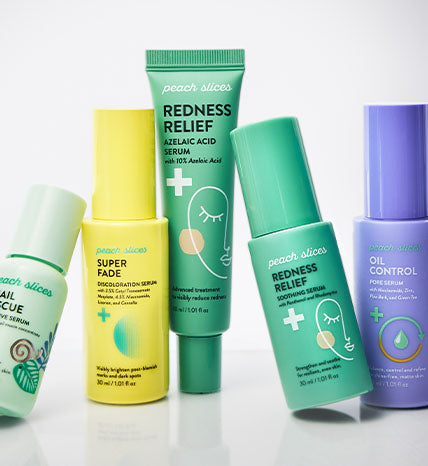
If you want to try it for yourself, our Snail Rescue Trio is a good place to start. It's built around SSF at different concentrations, so you can find the version that fits your skin type and how much of a snail mucin routine you're ready to commit to.