
- Microplastic-free cosmetics are becoming the new standard as consumers seek cleaner, eco-conscious beauty solutions.
- Korean face scrubs use natural exfoliants like rice powder and enzymes, eliminating the need for harmful plastic microbeads.
- South Korea has banned microbeads in cosmetics, reinforcing its leadership in green beauty trends.
- Sustainable skincare products from K-beauty brands focus on biodegradable ingredients and eco-friendly packaging.
- The future of microplastic-free cosmetics is driven by innovation, with K-beauty leading the way in safe, effective, and planet-friendly formulas.
With growing concerns about microplastics in our oceans (and even in our bodies!), the demand for microplastic-free cosmetics is at an all-time high. But while many brands are scrambling to find alternatives, K-beauty has been ahead of the curve for years, crafting sustainable skincare products that deliver results without harming the planet.
Why Are Microplastics a Problem?
Microplastics—tiny plastic particles found in many beauty products, especially face scrubs—are everywhere. They wash down our drains, sneak into our water systems, and can even end up in the food chain. Research has linked microplastic pollution to serious environmental damage, prompting countries like South Korea to ban microbeads in cosmetics entirely.
The K-Beauty Approach to Eco-Friendly Exfoliation
Forget harsh microbeads—Korean face scrubs embrace nature’s best exfoliators! From rice powder to fruit enzymes, these gentle-yet-effective ingredients buff away dead skin while keeping oceans microplastic-free. Some top natural exfoliants used in Korean face scrubs include:
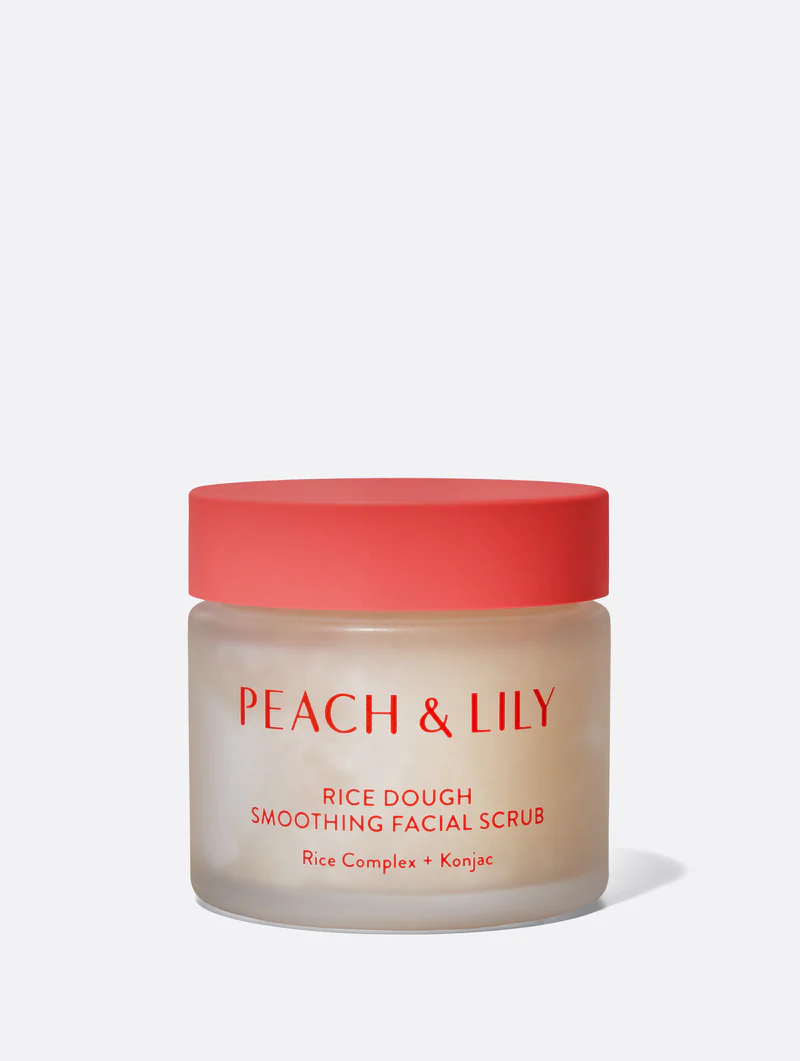
- Rice Powder – A centuries-old K-beauty favorite that polishes and brightens skin.
- Papaya & Pineapple Enzymes – Breaks down dead skin cells naturally, leaving your complexion smooth and refreshed.
- Konjac Beads – Derived from the konjac plant, these ultra-gentle, biodegradable beads provide a soft exfoliation.
- Jojoba Beads – Spherical and skin-friendly, these plant-based beads mimic natural oils while offering a deep cleanse.
The Rise of Sustainable Skincare Products
Beyond the formulas themselves, K-beauty brands are taking sustainability even further. Many have swapped plastic-heavy packaging for recycled materials, and refillable beauty products are becoming more common in green beauty trends. Some brands even use upcycled ingredients, turning food waste into skin-loving extracts.
The Future of Microplastic-Free Cosmetics
K-beauty continues to innovate, proving that effective skincare doesn’t have to come at the planet’s expense. With sustainable skincare products leading the charge, the future of beauty looks cleaner, greener, and glowier than ever!