
If you’re considering getting a facial cosmetic procedure like Botox or a chemical peel, you might be wondering how your Korean skin care routine will be affected. Are there any kinds of products you shouldn’t use? What do you need to do differently? Skincare after Botox and peels will be a little different than what you’re used to. It’s important to take the time to understand how your skin’s needs will temporarily change post-op before you go ahead with the treatment.
While professional procedures like these can do a lot of good for your skin, it will need a little extra care afterward. Following a facial treatment, your skin will be more susceptible to irritation and can easily become inflamed if not cared for correctly. Knowing what your skin needs as it recovers will help minimize any visible side effects and uncomfortable feelings.
Post-procedure skincare should always be extremely gentle on skin, but the specifics of the routine differ depending on what procedure you have done. Here’s how your Korean skin care routine should change to better help your skin recover after Botox or chemical peeling:
Skincare after Botox
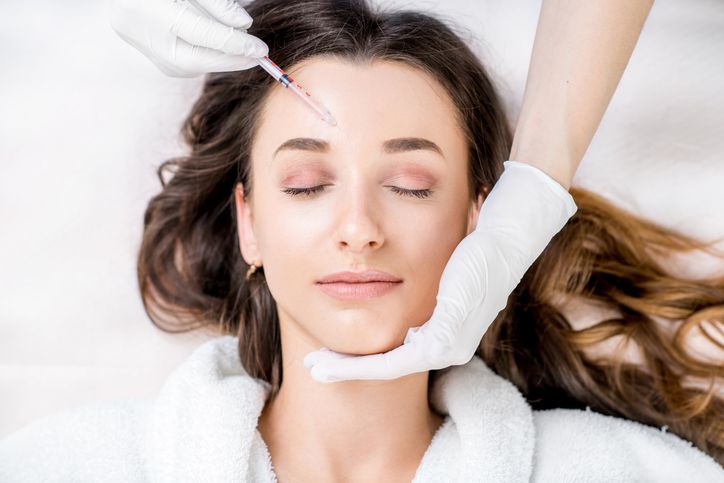
Botox is an injectable neurotoxin that temporarily weakens a muscle’s ability to contract. This greatly reduces the appearance of wrinkles and expression lines, giving you younger-looking skin.
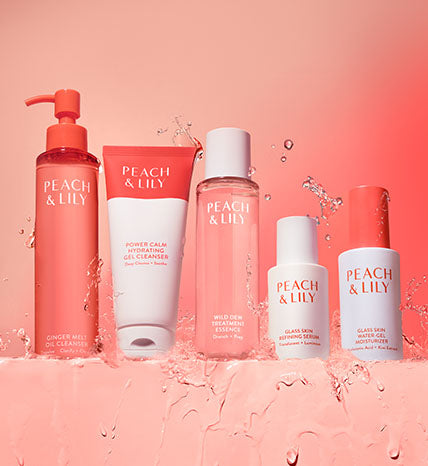
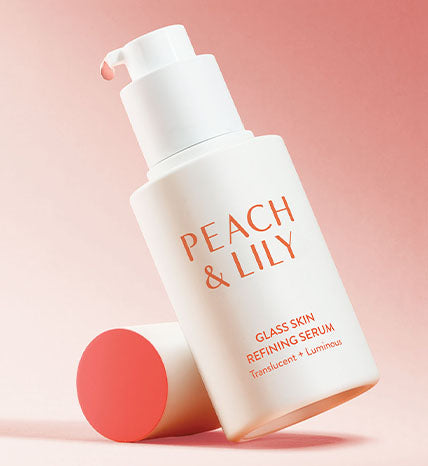
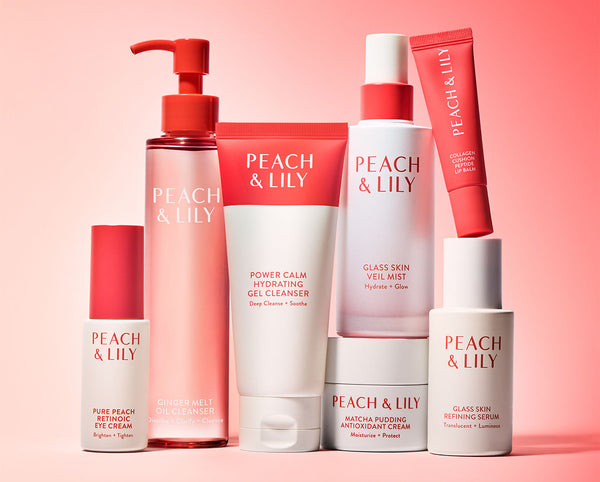
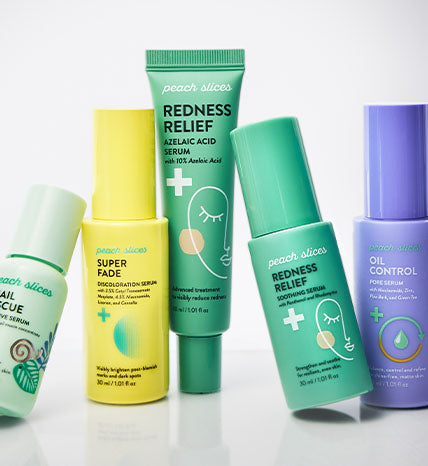
Skincare after Botox includes icing the areas where you received injections to calm down inflammation and arnica to reduce rare effects like bruising and swelling. Botanical-based masks and gels like Peach & Lily’s Power Calm Hydrating Gel Cleanser or Glass Skin Water-Gel Moisturizer can also help reduce redness. For the first few days after Botox, you should gently wash your face and hydrate your skin using your usual cleanser and moisturizer. Typically, patients can return to their normal Korean skin care routines after a week.
When it comes to skincare after Botox, there are also a variety of things you will want to avoid for the first few days after the procedure. This includes hot showers or baths, rubbing or massaging your face, engaging in vigorous exercise, drinking alcohol, and smoking. You should also wait at least two weeks before getting another procedure like microdermabrasion or chemical peels done.
Skincare after a Chemical Peel
Chemical peels, often referred to simply as “peels,” are acid-based treatments that remove dead skin cells on the skin’s outermost surface to reveal brighter, smoother skin underneath. Peels use different acids to target different skin concerns and can range in strength.
Skincare after a chemical peel is all about keeping your skin hydrated to help its natural protective barrier can recover and get back to full strength faster. You should wash your face with cool water to soothe skin, drink more water than normal to stay hydrated, and use gentle products with peptides to stimulate the production of collagen and elastin. Once your skin feels like it’s back to normal, you can return to your normal Korean skin care routine.
After a chemical peel, you’ll also want to avoid ingredients likeretinol, glycolic and salicylic acids, and Vitamin C. Unfortunately, many of these ingredients are staples in many popular Korean skin care products, so you’ll have to wait a little while before returning to your normal routine. However, post-peel is the perfect time to try a product like Peach & Lily’s Matcha Pudding Antioxidant Cream.
At Peach & Lily caring for your skin is our greatest privilege. Thank you for trusting us with your skin care needs. Our mantra from day one has been 100% Worry Free™ – and that will never change.
Cheers to radiance, Peaches!