
Key Takeaways
- Heat and sweat increase oil production, which clogs pores and leads to breakouts.
- Cleansing right after sweating, without over-washing, makes the biggest difference.
- Not every summer bump is acne. Heat rash needs a different fix entirely.
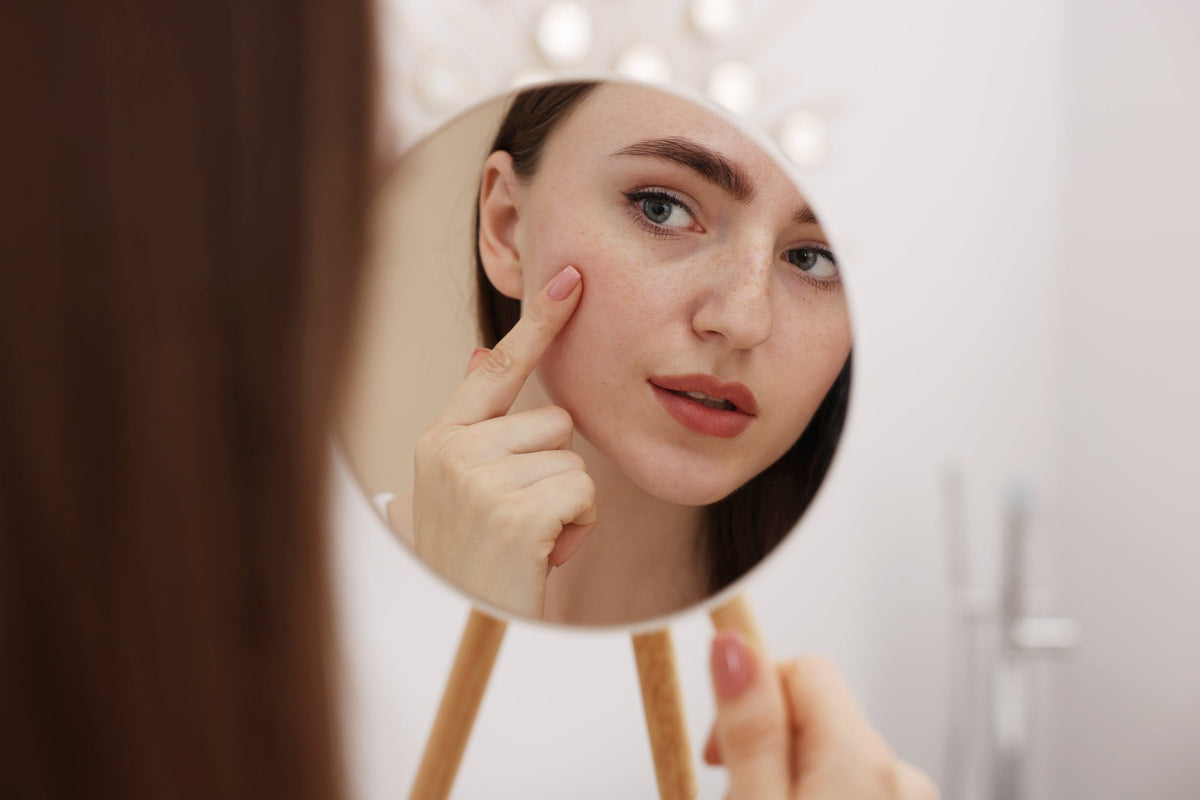
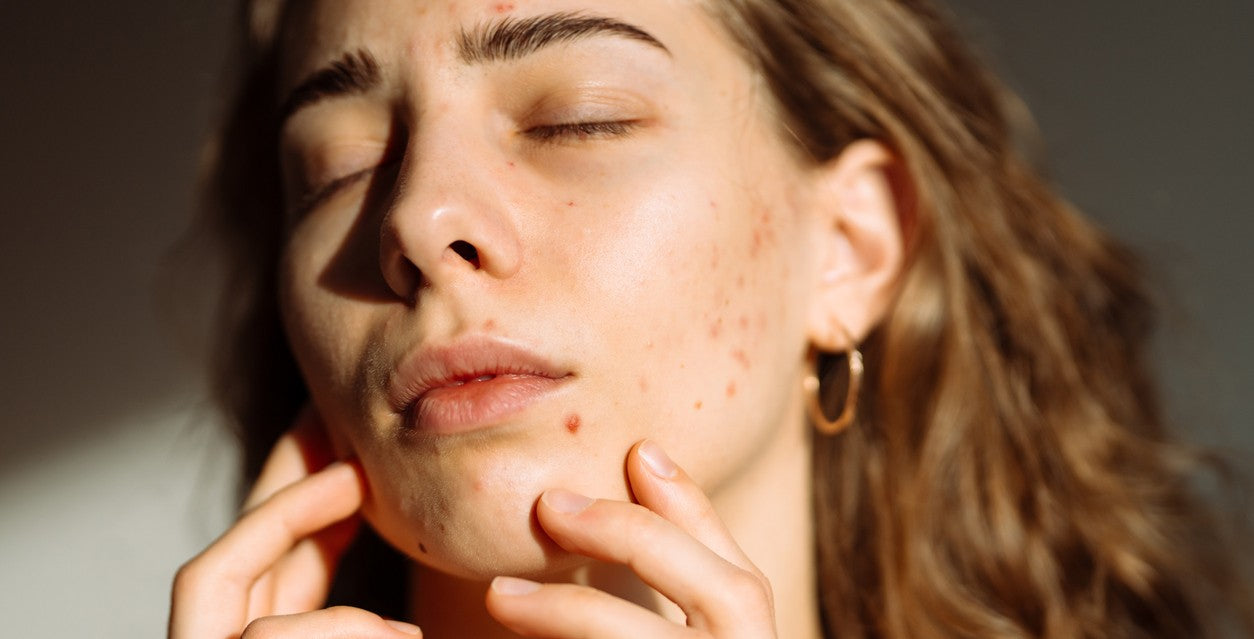
You did nothing different this week, and yet here you are, staring down a chin full of bumps that showed up out of nowhere. Summer does this. Heat and humidity change how your skin behaves, and once you know why breakouts show up this time of year, they're a lot easier to get ahead of.
Why Does Your Skin Break Out More in Summer?
Blame your oil glands. Rising temperatures push them into overdrive, and sweat production climbs right along with it. When that extra oil and sweat mix with bacteria and dead skin cells on the surface, it clogs your pores. That combination is what turns a normal summer day into a breakout, and it's also what makes your cleansing routine matter more this time of year.
How Do You Stop Sweat from Causing Breakouts?
Wash your face twice a day, and again right after you sweat, whether that's from a workout, a walk, or just standing in the heat. A gel or water-based cleanser clears out oil and sweat without stripping your skin. As tempting as it is to wash your face every time it feels the least bit shiny, resist that urge. Over-cleansing strips your skin's natural moisture, which tells your oil glands to produce even more oil to make up for it. Your sunscreen can feed into this cycle too, depending on the formula you're using.
Does Your Sunscreen Need to Change in Summer?
Kind of, yes. Heavier, richer sunscreen formulas can trap sweat against your skin and add to congestion. A lighter, oil-free invisible sunscreen still gives you full protection without piling onto the problem. Once cleansing and sunscreen are sorted, it also helps to know what you're looking at when a bump shows up.
Is It a Breakout or Heat Rash?
Small, itchy, stinging red bumps might not be acne at all. Heat rash happens when sweat ducts get blocked, and it needs cooling, not acne treatment, to calm down. If your usual spot treatments aren't touching it, this is probably why. One more summer-specific cause worth knowing, especially if your breakouts keep showing up in the same odd spots.
Watch Out for Sweat Trapped Under Hats and Gear
Sweat trapped under hats, headbands, or tight workout gear can cause breakouts on the skin underneath; a pattern dermatologists call acne mechanica. Shower soon after outdoor activities or workouts, and wear loose, breathable fabrics when you can.
Products to Reach for in the Summer
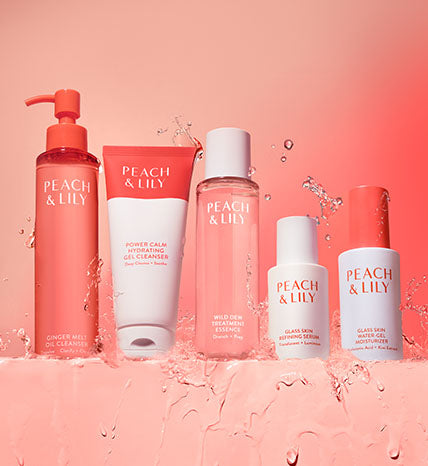
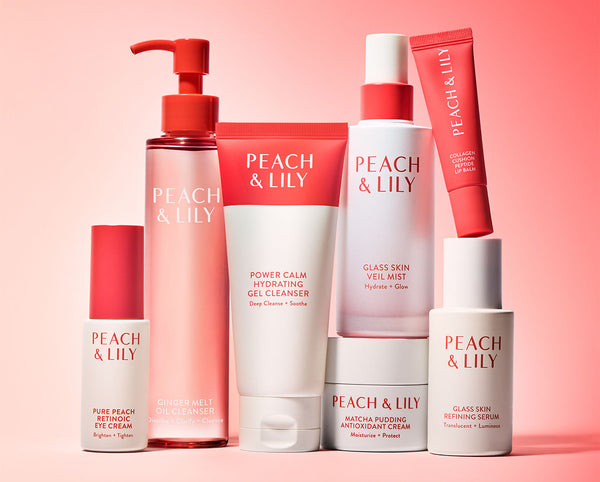
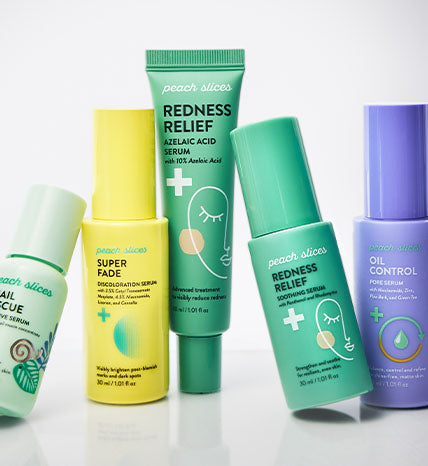
Heat, sweat, and tight gear all add up. To keep it under control, use a gentle, non-stripping cleanser like the Power Calm Hydrating Gel Cleanser, which helps keep that oil-stripping cycle in check. For active breakouts, a salicylic acid cleanser such as Peach Slices Acne Clarifying Cleanser can help clear congestion, and if sweat tends to bring breakouts on your chest or back, a body wash, like Breakout Banisher, is worth adding in.
Summer skin needs a little more attention some days, and that's fine. A few consistent habits keep it clear; no complicated routine is required.