
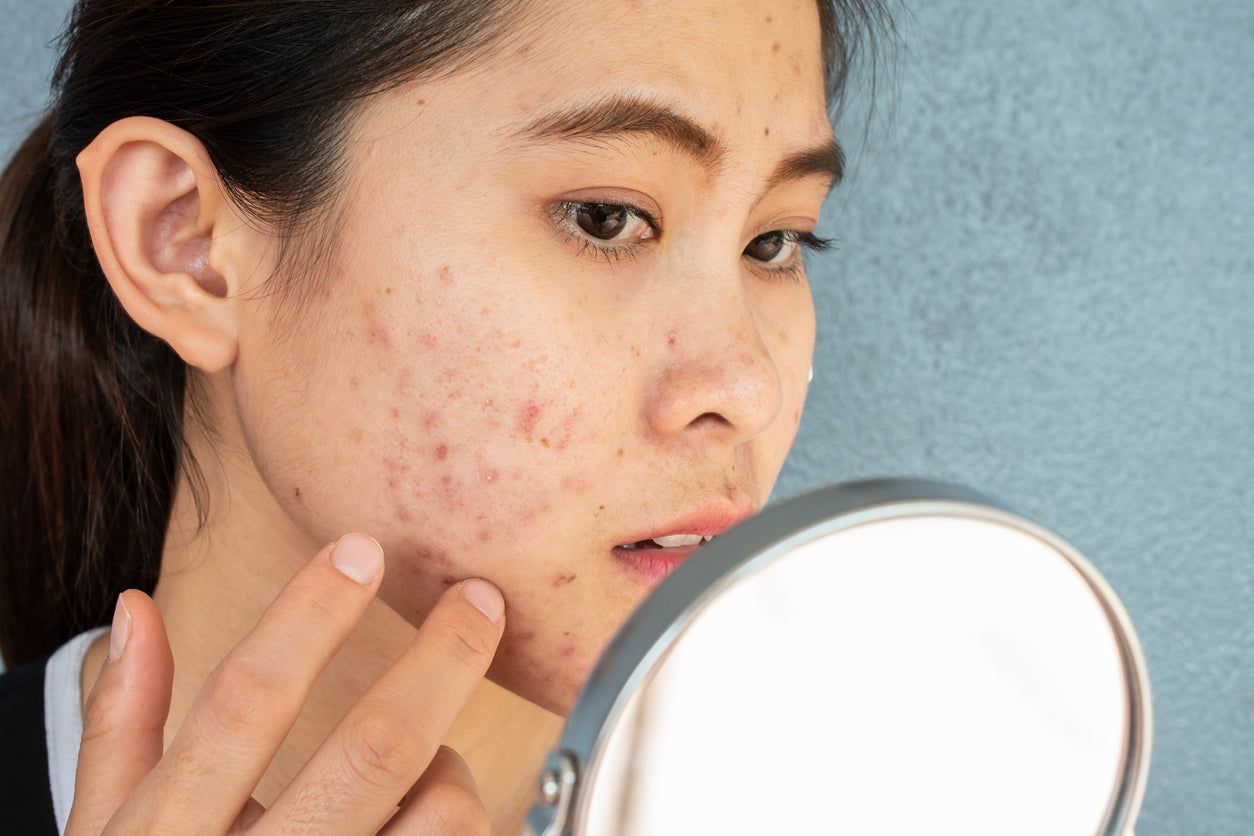
What Causes Adult Acne & How to Treat
While acne is largely a skin issue associated with your teen years, it’s a problem that can linger well into adulthood. If you’re still struggling with acne in your 20s, 30s, 40s, and beyond, don’t feel bad – despite the link to puberty and adolescence, it’s very common for acne to persist well into adulthood for many people and it can be easily treated. But what causes adult acne? And how might it be different from what you experienced in your teen years?
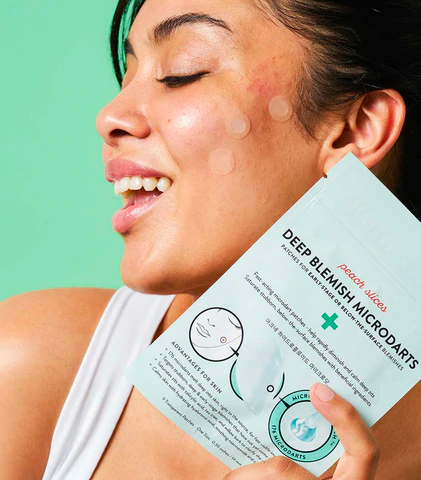
The answer to what causes adult acne is very similar to what causes acne in adolescence. Generally, the same factors which cause acne in adolescence – clogged or blocked pores, overactive oil glands, inflammation and bacteria – are at play when it comes to acne in adulthood. Additionally, things like stress, hormones, and the menstrual cycle in women can all influence oil production, thus potentially causing an acne breakout, and certain skincare or makeup products which clog pores could be to blame as well. If you’re dealing with acne as an adult your diet could also be a factor. Medication like anabolic steroids, lithium, and corticosteroids can also be the answer to what causes adult acne.
Adult Acne Treatments
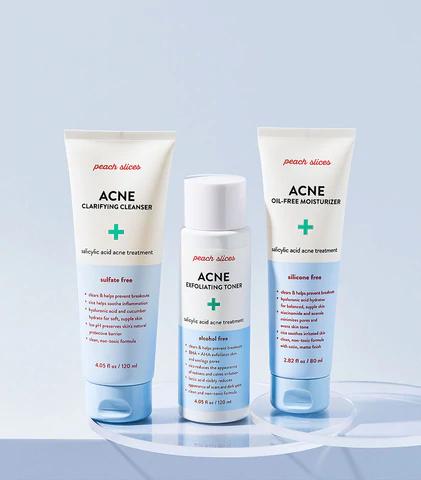
Because of the similar causes, adult acne treatment is very similar to treatment for adolescent acne. To avoid clogged or blocked pores, never go to bed with makeup or any other heavy products on. When shopping for new cosmetic, beauty, or skincare products, take the time to look through the list of ingredients and check for things like acetylated lanolin, algae extract, benzaldehyde, isopropyl palmitate, Lauroyl lysine, lauric acid, stearic acid, and wheat germ oil, as these ingredients can all cause clogged pores. You’ll also want to look for terms like “oil-free,” “non-comedogenic,” and “won’t clog pores.” Really any skincare product that contains an excess of oil should be avoided. Adult acne treatment should also include a daily sunscreen with an SPF above 30. It’s an everyday essential for preventing darkening of acne scars while also protecting you against potentially harmful UV rays and lessening the risk of skin cancer. Lastly, you may want to take a look at your diet because certain dairy products and foods that can cause blood sugar levels to quickly rise may put you at a heightened risk for developing acne.
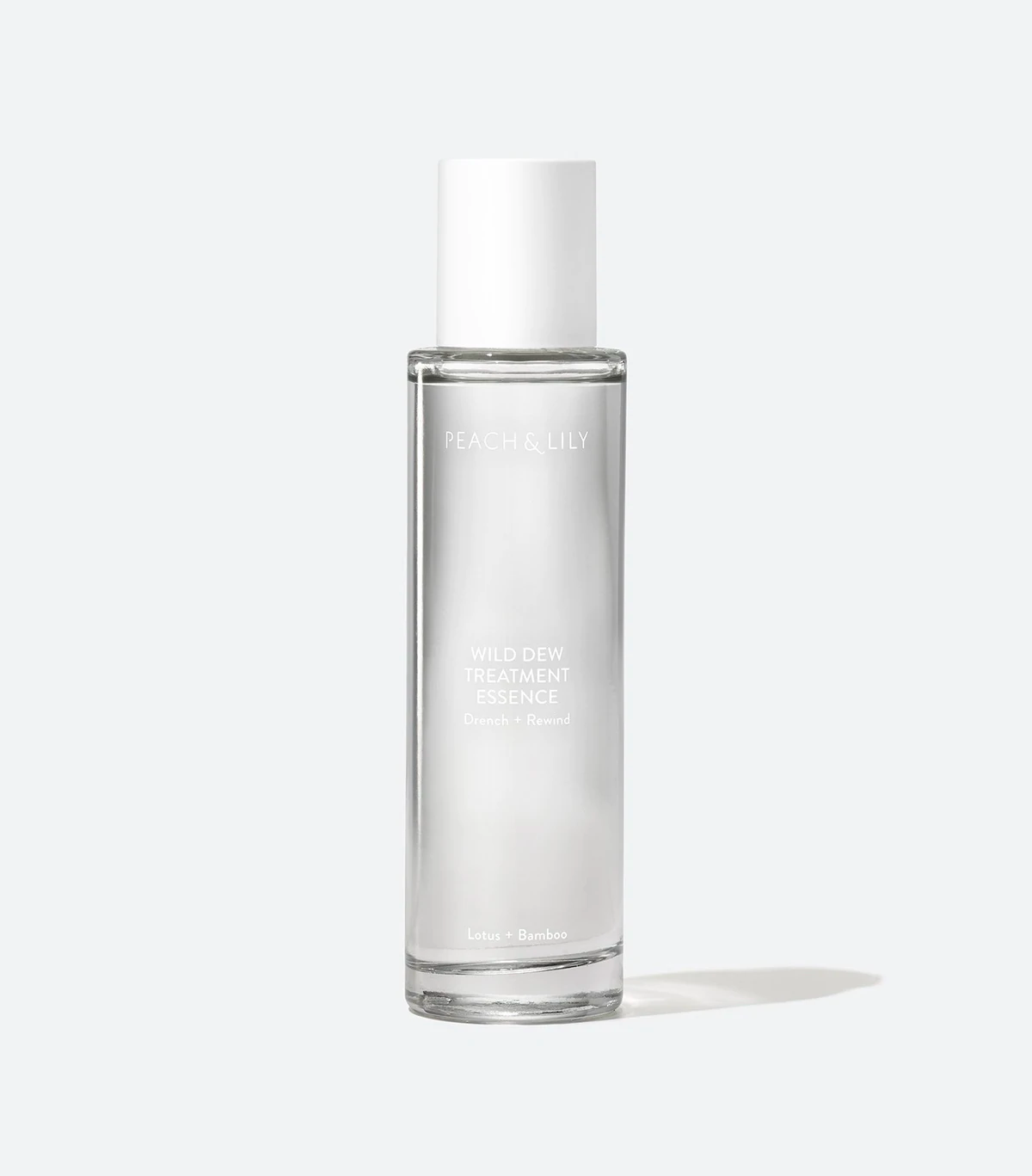
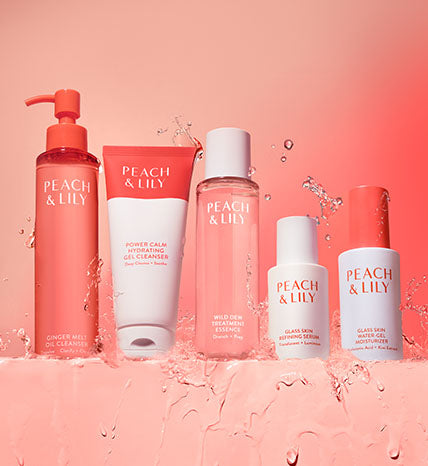
To prevent and treat acne in adulthood, you probably won’t have to throw your current skincare routine in the trash and start from scratch, but we do recommend you check out our Easy At-Home Korean Skincare Techniques for tips on how to not only prevent acne but improve your skincare routine in general. Products like our Super Reboot Resurfacing Mask and Wild Dew Treatment Essence both will help fight breakouts by de-clogging pores through gentle exfoliating and hydrating skin respectively.