
We know how you feel…sometimes you wonder if you’re paying an obnoxious amount of money to spritz some canned water onto your face. Well, I’m here to assure you that this is not necessarily the case!
In fact, facial mists are a must-have in your Korean skincare routine.
Mineral water mists are the most basic facial mist products out there and help to freshen up your skin. However, if you want more of a boost, reach for mists that contain antioxidants, vitamins, and/or minerals. These mists can help to hydrate, soothe, replenish and protect your skin.
I recently started using a “lifting” mist and have been seeing a surprising difference in my skin’s radiance and hydration levels.
So during which step in your skincare and makeup routine should you use a mist?
If you want to see the maximum benefits of a mist, spraying it on after your moisturizer or on top of your makeup just won’t do. Nope. In fact, this can make your skin drier because after you spritz, the water evaporates from your face and strips it of hydration!
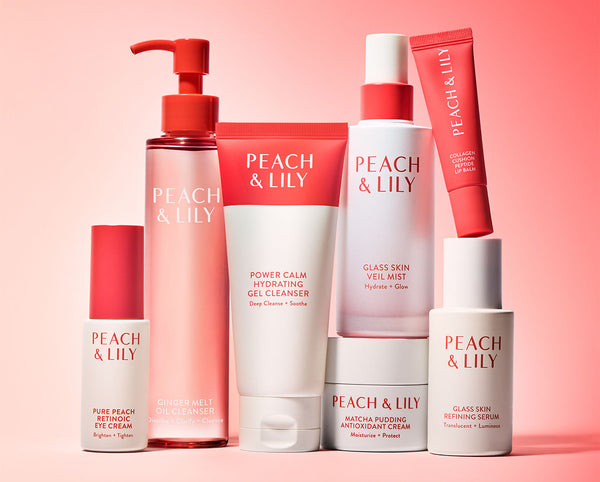
Since you want the minerals and vitamins from the mist to be absorbed into your skin, Peach and Lily recommends that you use a mist right after your toner and before your serum or moisturizer.
Extra Tip: Stay away from mists with oils. These can clog your pores and cause breakouts!
More to come about mists soon. Have a great weekend everyone!